

Direct mail marketing gives brands something digital marketing can’t: a physical way to connect with customers, prospects, and employees. From personalized postcards and dimensional mailers to curated swag kits and corporate gifts, the right campaign can cut through digital noise while keeping your brand top of mind.
But successful direct mail marketing takes more than sending something cool and hoping it lands. The best campaigns start with the right audience, a clear goal, thoughtful personalization, and items people actually want to receive.
Below, we’ll cover direct mail marketing strategies, ideas, examples, and best practices to help you create campaigns that feel personal, memorable, and worth opening.
What Is Direct Mail Marketing?
Direct mail marketing uses physical mail to reach a targeted audience with promotional messages, offers, or branded items. Common examples include postcards, catalogs, brochures, coupons, product samples, swag, and corporate gifts sent directly to a recipient’s home or office.
Unlike broad print advertising, direct mail is typically sent to specific mailing lists, making it easier to tailor the message to a particular customer, prospect, employee, or account. You can also personalize it with details like a recipient’s name, company, location, or purchase history.
For brands, direct mail can generate leads, support sales outreach, reward customers, build loyalty, or create a memorable touchpoint that complements digital marketing efforts.
Is Direct Mail Marketing Effective?
Yes. Even in a digital-first world, direct mail remains an active marketing channel because it gives brands a tangible way to reach people beyond their screens.
According to USPS, the organization handled more than 56 billion pieces of Marketing Mail in fiscal year 2025, showing just how widely businesses continue to use physical mail to connect with customers.
Direct mail can be especially effective when campaigns are targeted, personalized, and paired with a clear call to action. It can also work alongside digital channels rather than replacing them.
In its 2025 Impact Pulse report, the Association of National Advertisers (ANA) evaluates direct mail alongside email, social, paid search, and display, showing that it remains part of the broader marketing mix.
For brands looking to stand out, the real opportunity is creating mail people actually want to open, keep, or share.
Direct Mail vs. Email Marketing
Direct mail and email marketing can both help brands reach targeted audiences, but they create very different experiences. Email is fast, inexpensive, and easy to scale, making it useful for promotions, updates, and ongoing communication. Direct mail, on the other hand, gives recipients something physical to open, hold, and remember.
That tangible experience can help direct mail stand out, especially when inboxes are crowded and digital messages are easy to ignore. It also gives brands more flexibility to create memorable touchpoints through postcards, dimensional mailers, branded merchandise, or corporate gifts.
That doesn’t mean brands have to choose one over the other. In many cases, the strongest campaigns use both. For example, a direct mail piece can introduce an offer or gift, while email supports the campaign with reminders, follow-up messaging, and a clear next step. Together, the two channels can create a more connected customer experience.
Direct Mail Marketing Ideas and Examples
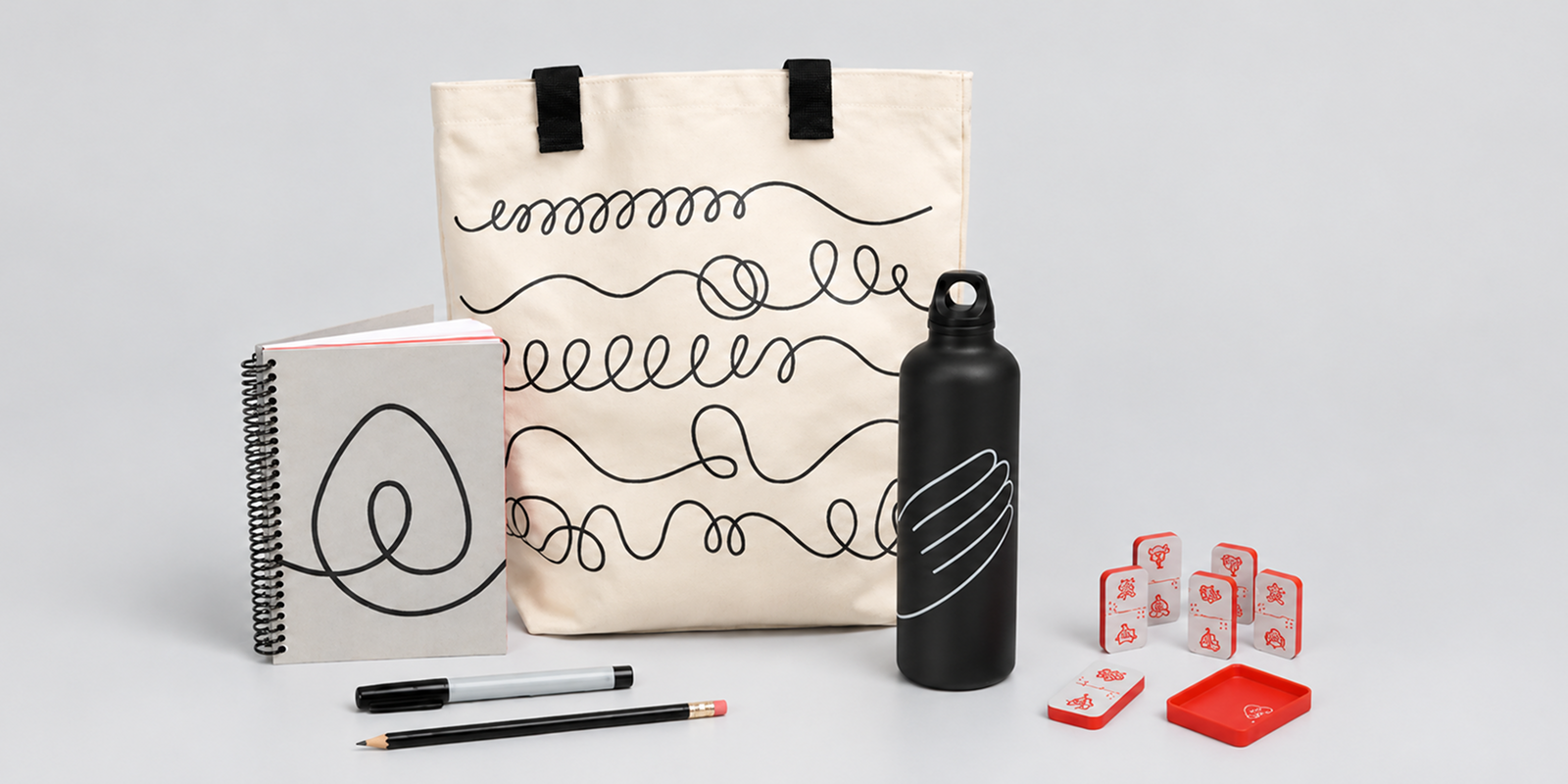
Great direct mail doesn’t have to mean sending thousands of identical postcards. Some of the most effective campaigns use customer data, thoughtful timing, personalization, or memorable gifts to give recipients a reason to engage.
Use Customer Behavior to Time Your Mail
NEXT Insurance integrated Lob’s APIs with its customer data platform to trigger direct mail based on customer and prospect behavior. For example, the company followed up by mail when someone requested a quote but didn’t purchase. According to Lob’s case study, campaigns sent at key moments in the customer journey saw response rates four times higher than standard campaigns.
Send Relevant Gifts to High-Value Prospects
Gainsight used Sendoso to build a B2B gifting program targeting prospects who had recently moved into director-level or higher roles at priority accounts. According to Sendoso’s case study, Gainsight sent more than 500 corporate gifts through the program, influencing 39 opportunities and more than $5.5 million in outbound-sourced pipeline as of September 2022.
Build a Campaign Around Your Audience
LexisNexis used Sendoso to create its Tequila Mockingbird campaign for law firms. Packages included a cocktail recipe book, whiskey glass, bar spoon, competitive messaging, and a handwritten note. According to Sendoso’s case study, the account-based campaign produced a 1,100% ROI and was later expanded nationally.
Combine Direct Mail and Digital Marketing
Physical and digital marketing can work together rather than compete. Marley Spoon partnered with Lob to automate direct mail campaigns aimed at reactivating high-value former customers. According to Lob’s case study, Marley Spoon saw a 263% higher conversion rate from direct mail than email among the targeted audiences tested. The company also found that customers who received both direct mail and email had the highest conversion rates across the segments tested.
The takeaway? Strong direct mail campaign ideas start with the recipient. Whether you’re sending a postcard, promotional offer, curated gift, or branded swag, relevance, timing, and a clear next step can turn a physical mailer into a more meaningful brand experience.
Best Practices for a Successful Direct Mail Marketing Strategy
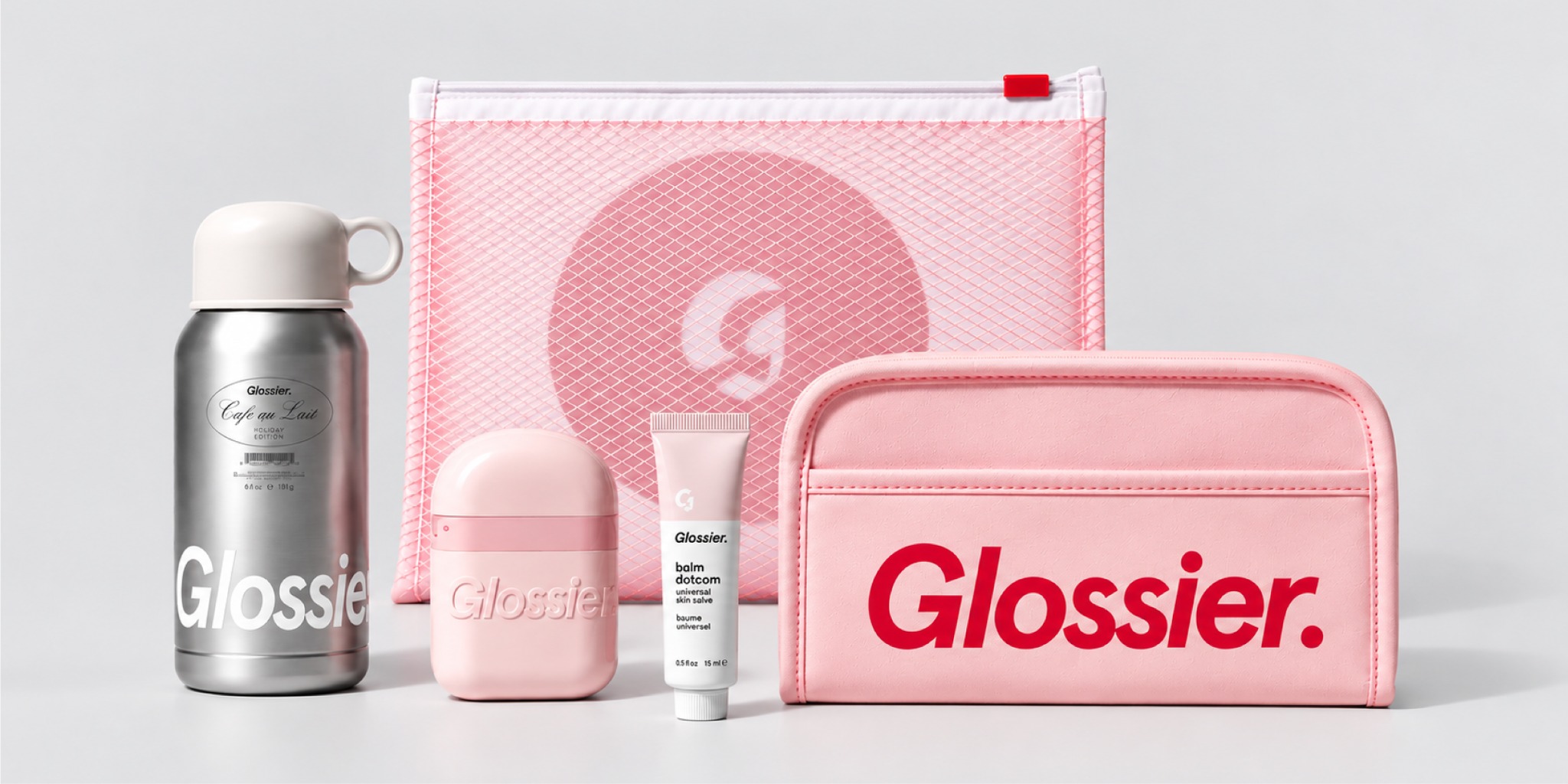
A successful direct mail marketing strategy starts with more than choosing what to send. From defining your audience to measuring results, each part of the campaign should support a clear goal. These best practices can help you create direct mail that feels relevant, intentional, and worth engaging with.
Target the Right Audience
Avoid a one-size-fits-all approach. Start by identifying who you want to reach and why. You might target prospective customers, existing clients, high-value accounts, event attendees, or employees. Then segment your mailing list so the message, offer, and custom promotional products you send feel appropriate for each group.
Create a Clear Campaign Plan
Before sending anything, define what you want the campaign to accomplish. Are you generating leads, increasing brand awareness, rewarding customer loyalty, or supporting a sales initiative? Your goal should guide everything from the format and messaging to the products and packaging you choose.
Give Recipients a Reason to Act
Every campaign should include a clear call to action. That might be visiting a landing page, scanning a QR code, booking a demo, redeeming an offer, sharing on social media, or simply learning more about your brand. Keep the next step easy to understand and easy to complete.
Make It Personal
Personalization goes beyond adding someone’s name to a mailer. Consider the recipient’s industry, interests, location, relationship with your brand, or stage in the customer journey. For higher-value prospects and customers, thoughtful product selection and custom packaging can make the experience feel especially intentional.
Follow Up and Retarget
Direct mail doesn’t have to be a one-time interaction. Follow up through email, sales outreach, or another mailer to reinforce your message without overwhelming recipients. You can also test different formats, offers, or swag items to see what performs best.
Measure Your Results
Track performance so you know what’s working. Depending on your goal, that could include QR code scans, landing-page visits, coupon redemptions, leads, sales, or responses from recipients. Reviewing those results can help you refine your audience, messaging, and creative approach for future direct mail campaigns.
B2B Direct Mail Marketing
B2B direct mail marketing can help brands reach high-value prospects, customers, and accounts in a way that feels more personal than another email or sales message. Because B2B sales cycles are often longer and involve multiple decision-makers, direct mail works especially well when it supports a larger account-based marketing or sales strategy.
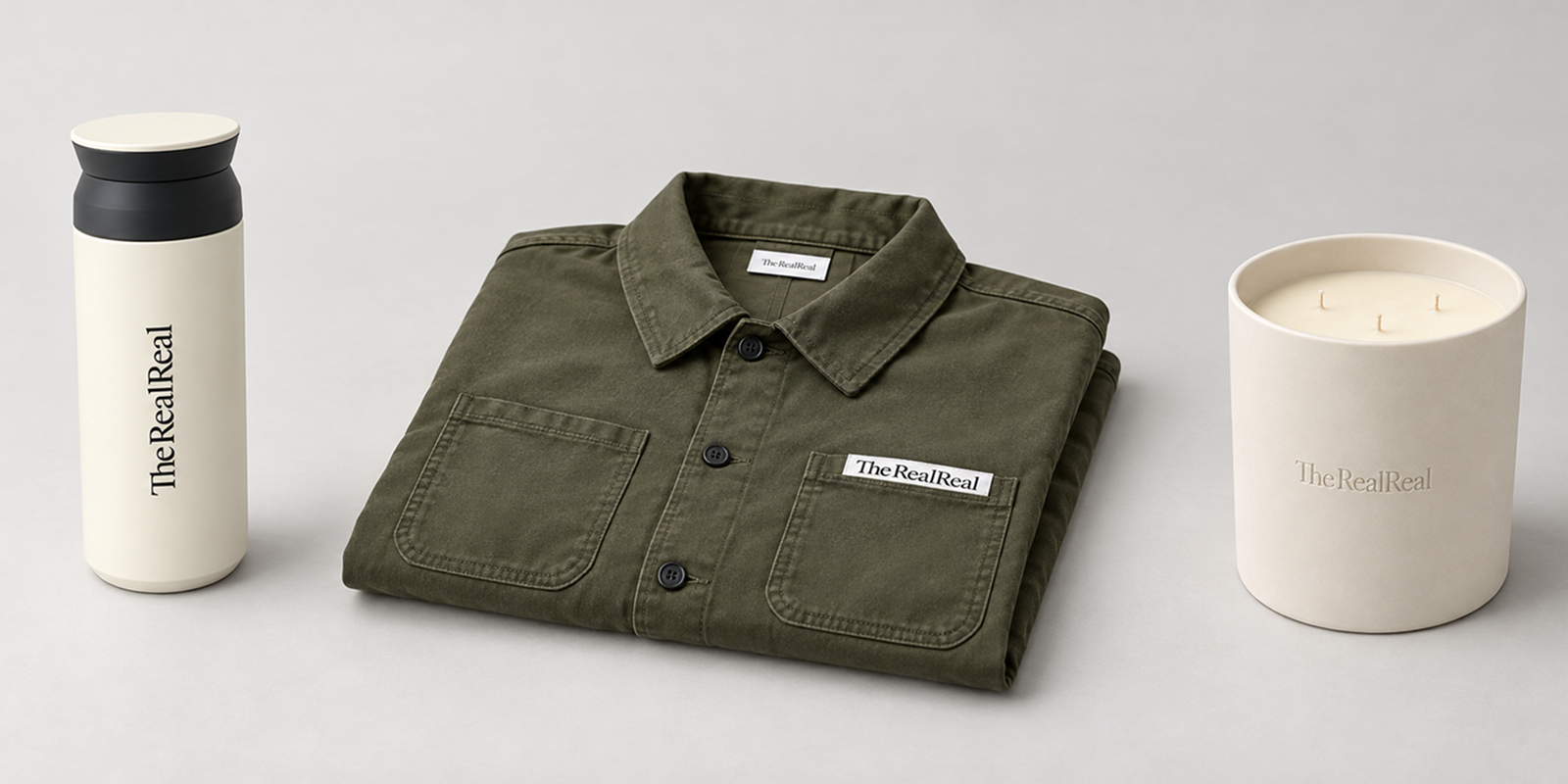
A targeted mailing list can help brands focus on priority accounts, specific job titles, existing customers, affiliates, or prospects at particular stages of the buyer journey. From there, companies can send personalized mailers, premium swag, or curated corporate gifts before or after sales outreach. Direct mail can also support client appreciation, product launches, event follow-up, customer retention, and employee or internal campaigns.
For ABM programs, timing and relevance matter. A gift tied to a prospect’s role, company milestone, recent interaction, or stage in the buyer journey can feel more intentional than a generic promotional item. Sales and marketing teams can then coordinate follow-up through email, calls, or digital campaigns to keep the conversation moving.
The goal is not simply to send something expensive. The strongest B2B direct mail campaigns use thoughtful targeting and relevant messaging to support a specific business objective and give recipients a reason to engage.
Turn Your Direct Mail Strategies into Memorable Brand Moments
Direct mail marketing works best when it feels thoughtful, relevant, and connected to a larger strategy. Whether you’re sending a simple postcard or a fully customized gift kit, start with the audience, define your goal, and create an experience that gives recipients a reason to engage.
For brands that want to go beyond traditional mailers, custom swag and corporate gifts can help turn direct mail into a more memorable brand moment. Gemnote can help with everything from product selection and customization to kitting, packaging, and fulfillment, making it easier to build campaigns that feel personal from start to finish. Start a project →
Frequently Asked Questions About Direct Mail Marketing
What is direct mail marketing?
Direct mail marketing is a strategy that uses physical mail to reach a targeted audience. Campaigns can include postcards, catalogs, brochures, coupons, product samples, branded merchandise, and corporate gifts sent directly to a recipient’s home or office.
Is Direct Mail Marketing Effective? Statistics to Know
Yes. Direct mail can still be effective, especially when campaigns are targeted, personalized, and connected to a clear goal. It can also work alongside email and other digital channels to create a more complete customer experience.
How much does a direct mail marketing campaign cost?
The cost depends on factors such as the size of the mailing list, postage, printing, packaging, personalization, and the type of item being sent. A simple postcard campaign may cost much less than a dimensional mailer or curated gift kit.
What’s the difference between direct mail and email marketing?
Email is faster and generally less expensive to scale, while direct mail gives recipients a physical brand experience. Many companies use both together, with direct mail creating a memorable touchpoint and email supporting the campaign with follow-up messaging and calls to action.
How do you measure direct mail ROI?
You can track direct mail performance using QR codes, unique promo codes, personalized URLs, dedicated landing pages, form submissions, sales, or other campaign-specific conversions. Comparing those results against total campaign costs helps you determine ROI.
What are some direct mail marketing ideas for small businesses?
Small businesses can use postcards, coupons, event invitations, customer appreciation gifts, product samples, referral offers, or re-engagement campaigns. The most effective ideas usually focus on a specific audience and include a clear way to respond, such as a promo code, QR code, or dedicated landing page.