



In a global market, the products you choose and where you source them can shape everything from your brand reputation to your bottom line. It’s no longer enough to “find a vendor and place an order.” Today’s most effective organizations treat sourcing like a strategic advantage, building resilient supply chains that protect quality, control costs, and unlock innovation.
Whether you’re sourcing merchandise for a branded experience, developing corporate gifting programs, or securing long-term manufacturing partners, the stakes are high. Material choices influence sustainability claims. Lead times affect campaign timing. Factory standards dictate consistency. And a single disruption—geopolitical, logistical, or environmental—can ripple across your entire customer experience.

The good news? Smart sourcing isn’t about having dozens of suppliers. It’s about having the right partners, backed by a clear strategy. Businesses that understand the dynamics of global sourcing gain access to higher-quality products, greater product variety, and more flexible production models—all while reducing risk.
Below, we break down the core strategies every business should know when sourcing products globally, from building a reliable supplier network to mitigating risk and improving speed to market. When you shift from transactional buying to strategic sourcing, your supply chain becomes a powerful asset.

What Is Global Product Sourcing?
Global product sourcing is the work of identifying, evaluating, and partnering with manufacturers around the world to create products that meet your brand’s quality, design, and pricing goals. Rather than limiting production to a single region or supplier ecosystem, companies can tap into a broader network of factories and makers—expanding what’s possible in terms of materials, production techniques, and creative ideas.
At its simplest, global sourcing connects a brand’s product vision with the right manufacturing capabilities. That can look like developing a fully custom item from the ground up, or sourcing an existing product that aligns with your brand’s style. The process typically includes market research, factory vetting, sample production, negotiation, quality control, packaging, and continuous communication from the first concept to final delivery.
For growing brands, global product sourcing can be a major unlock. Working across different manufacturing hubs increases access to specialized skills, unique materials, and emerging innovations that help products stand out. It can also lead to meaningful efficiencies in production, making it easier to scale without compromising the customer experience.
Because global sourcing spans regions, cultures, and manufacturing strengths, it allows brands to build products with a wider lens. Whether it’s premium textiles, sustainable materials, or highly customized pieces, the right partners bring new ideas to the table. The difference comes down to having a sourcing partner who knows where to look, how to evaluate manufacturers, and how to manage every step of the process from the first prototype through production, packaging, and delivery.
Why Brands Choose Global Product Sourcing
Brands choose global product sourcing because it expands what’s possible. Instead of being limited by one region’s capabilities, companies can work with sourcing manufacturers across different markets—each with specialized strengths in materials, techniques, and production quality. With a product sourcing agent guiding the process, brands make more informed decisions and bring products to market that feel intentional and well-made.
Global sourcing also gives companies flexibility. Teams can test variations, request samples, or run smaller initial batches to validate ideas before scaling. That kind of agility matters—especially in product sourcing for e-commerce, where trends move quickly, and a faster launch cycle can be a real advantage.
Cost efficiency is another benefit, but it shouldn’t come at the expense of quality. Smart sourcing isn’t about chasing the lowest price—it’s about choosing manufacturers that align with your standards, budget, and long-term brand strategy. The right partner helps teams look beyond cost and evaluate what truly matters: reliability, craftsmanship, and the customer experience.
Cost efficiency plays a role in any sourcing decision, but it shouldn’t come at the expense of product quality. When brands source globally, the goal isn’t to chase the lowest price—it’s to understand the range of manufacturing options available and choose the one that aligns with their standards, budget, and long-term brand strategy.
Working with a product sourcing agent can help teams look beyond the price tag and evaluate what truly matters: reliability, craftsmanship, material quality, and the customer experience. The cheapest option isn’t always the strongest choice. The better question is whether a manufacturer can consistently deliver on the brand’s promise.
Key Strategies for Global Product Sourcing
Global product sourcing works best when brands approach it with a clear strategy. These fundamentals help reduce risk, improve quality, and accelerate production timelines.
Focus on total cost, not the cheapest unit price.
Smart sourcing evaluates the full picture: materials, craftsmanship, production speed, shipping conditions, duties, packaging, and the cost of rework. A lower unit price rarely tells the whole story.
Diversify your sourcing regions.
Relying on a single factory or region creates exposure. A multi-region approach gives brands flexibility, especially during peak demand, raw material shortages, or unexpected delays.
Build sustainability into your sourcing criteria.
Consumers now expect brands to verify how products are made. Sustainable materials, safe working conditions, and transparent supply chains are no longer nice to have—they’re strategic advantages.
Standardize sample testing and quality checkpoints.
Sampling is where standards are set. Clear documentation and consistent communication help product sourcing manufacturers produce what the brand actually envisioned.
Know when to work with a sourcing partner.
A reliable sourcing company can bridge the gap between design and manufacturing, negotiate on your behalf, and streamline the process from concept through delivery. Their relationships, experience, and quality control practices reduce risk and create confidence at scale.

What Successful Global Sourcing Requires
Global product sourcing opens the door to more manufacturing options, and the brands that do it well approach the process with structure. Working across regions means planning for different time zones, communication styles, and production standards. When these elements are built into the workflow, sourcing becomes more predictable, and brands make smarter decisions from the start.
Clear communication is essential. When design files and material specs move between multiple teams, structure prevents gaps. Detailed documentation, sample approvals, and aligned expectations help everyone stay on the same page—especially when working with sourcing manufacturers that specialize in certain techniques. A product sourcing agent or experienced partner can translate creative ideas into production-ready detail without losing intent.
Quality is something to manage consistently, not just at the beginning. Strong sourcing programs use checkpoints, material testing, and ongoing reviews to ensure the first sample matches later production runs. Many brands work with local inspection teams or product sourcing companies in USA for added visibility between the brand and the factory.
Logistics benefit from planning. Lead times vary based on region, materials, and shipping conditions, so building timelines that include a buffer creates more flexibility. The most reliable product sourcing programs don’t try to eliminate risk—they anticipate it and plan accordingly.

Values matter too. Customers expect brands to understand how products are made and who makes them. Sustainable materials, safe working conditions, and transparent supply chains are quickly becoming standard expectations. A knowledgeable sourcing partner can help evaluate factories with those values in mind, not just speed or cost.
These elements aren’t obstacles—they’re the foundation of reliable global sourcing. When communication, quality, logistics, and values are built into the process, working at scale becomes a strength. The result is a sourcing program that’s structured, consistent, and aligned with the brand’s promise.

Custom Product Sourcing
Custom product sourcing takes global sourcing one step further. Instead of adapting existing products to fit a brand, the process starts with a blank page: a design concept, a material direction, and a set of brand goals. This approach gives companies more creative control—every detail, from stitching to packaging, is intentionally designed to reflect the brand experience.
Custom sourcing often requires a tighter partnership between the brand and the manufacturer. Design files need to be translated into production-ready specs, materials must be tested and approved, and samples may go through multiple rounds before a product is ready for mass production. It’s a collaborative process, and the right sourcing partner creates structure around each step so the brand’s ideas make it to production without shortcuts.
The benefit is differentiation. Custom products stand out in a crowded market because they don’t feel like anyone else’s. They carry the brand’s tone, values, and attention to detail in a way that off-the-shelf products rarely do. From limited-edition drops to long-term core product lines, custom sourcing helps brands build a product catalog that feels unique and worth talking about.
Because execution matters, custom sourcing works best when brands have support from people who understand both design and manufacturing. A trusted partner can bridge those worlds—taking a creative concept and guiding it through sampling, feedback, production, quality checks, and delivery. It’s a more involved process, but the result is a product with a story behind it.
Finding the Best Sourcing Companies
The best sourcing companies aren’t just factory scouts—they’re strategic partners who understand your brand. They bring industry knowledge, design expertise, and long-standing manufacturing relationships that help you navigate regions, materials, and production methods with confidence.
A strong partner will help you compare production options beyond price, weighing capability, craftsmanship, and ethical standards. They anticipate challenges, offer alternatives, and guide decisions in a way that’s practical and strategic. The result is a sourcing process that feels structured rather than overwhelming.
Gemnote operates with this approach. We work directly with trusted manufacturing partners around the world, manage sampling and communication, and translate creative concepts into production-ready detail—so brands can scale without sacrificing quality.

How Gemnote Supports Global Product Sourcing
Smart sourcing isn’t about having hundreds of vendors. It’s about working with the right partners, backed by a global network you can trust. Gemnote provides product sourcing services that connect brands with high-quality manufacturers across the globe, manage the sourcing process end to end, and deliver products that feel intentional, premium, and aligned with your brand standards.
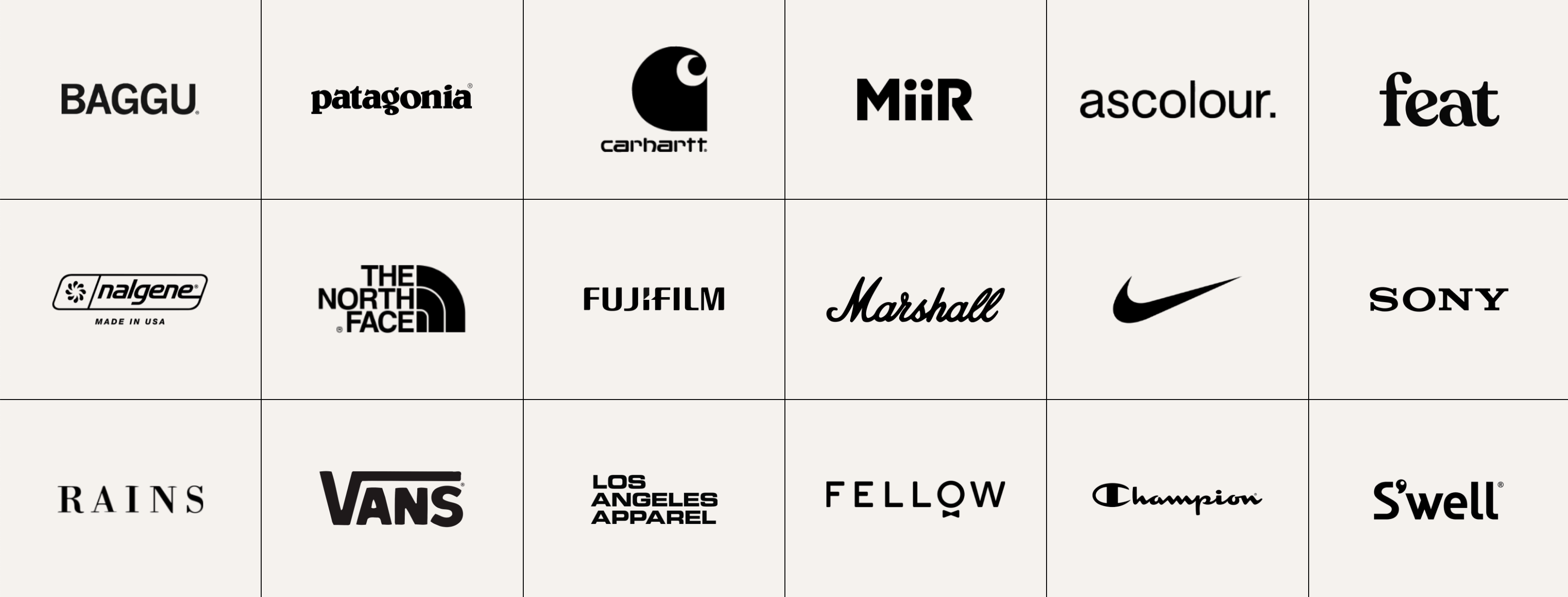
Through Gemnote, brands can source from more than 1,000 global suppliers, including category leaders like The North Face, Baggu, Nike, and other partners who set the standard for design and performance. Whether your budget calls for a seasonal drop or a long-term merchandising program, we help you choose the products that make the strongest impression for your audience.
From sourcing and production to packaging and distribution, our expert team manages the details so you don’t have to. The result is custom merchandise that cuts through the noise, reflects your brand values, and helps you show up in a way that feels elevated and unmistakably yours.